Tips for Writing Emotionally Evocative Pieces
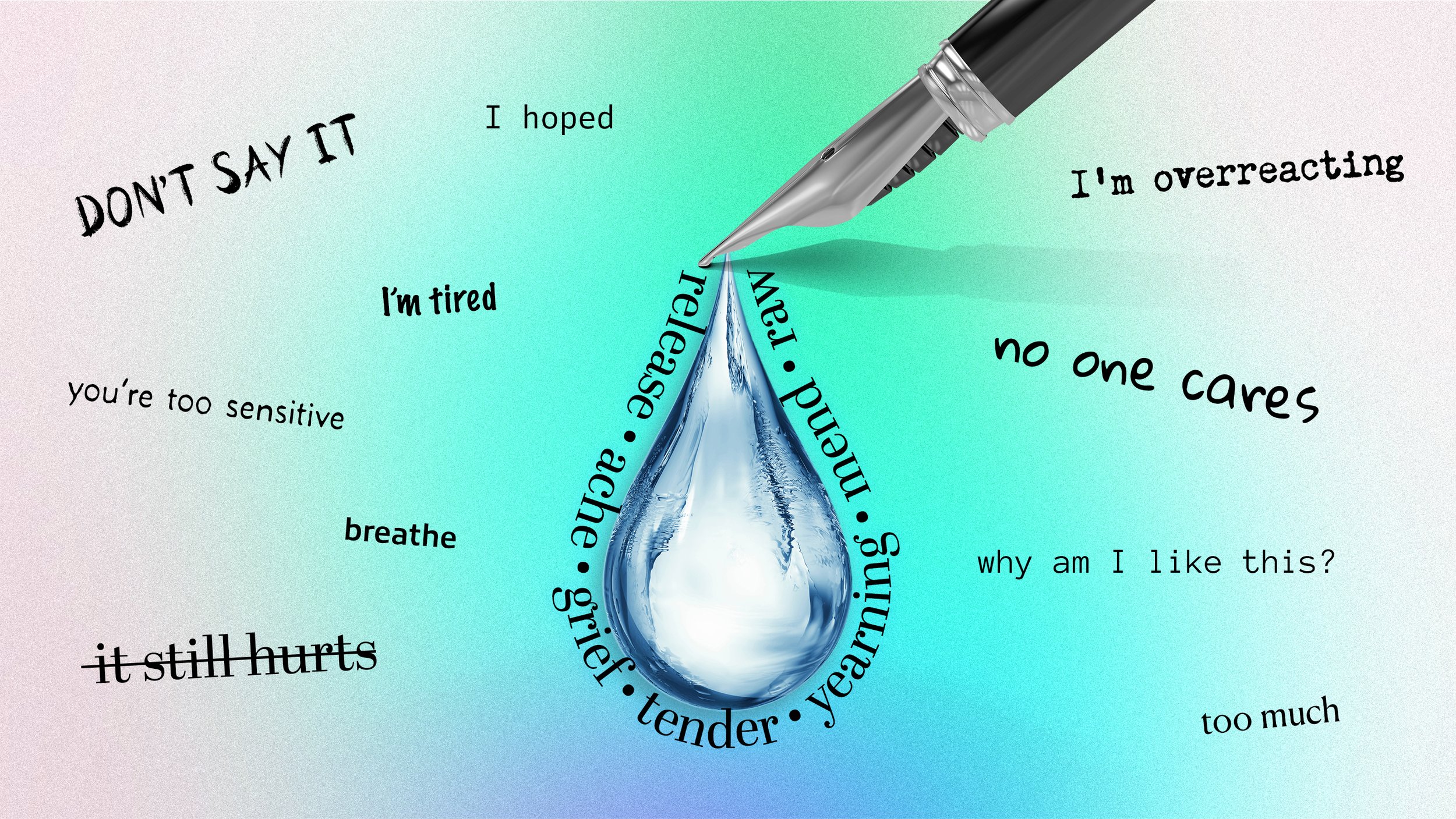
Artwork by Celestial Creations
Have you ever read a book or article that seemed to leave you speechless because of how deeply it impacted you on an emotional level? It almost felt as if you were taken on a journey and placed in the author’s shoes.
Some people write emotional pieces for personal release, while others write to help by sharing their story.
If your goal is to evoke an emotional reaction from the reader, there are a couple of ways to do so.
The key to a piece that speaks to a reader’s soul is resonance. When someone reads an emotional piece, they should experience the emotions in real time, right alongside the author.
For example, if you’re writing about the time you lost everything and built yourself from the ground up again, the reader should feel the despair and lack of faith you felt, and then those heavy emotions should transform into something much more empowering and optimistic.
But how exactly do you convey these emotions in a powerful, relatable, yet digestible way?
Details Matter Just as Much as the Message
When it comes to emotional pieces, you should focus on setting the scene for the reader.
Paint an image of what you were going through at the time.
Where was your mind at?
What were your most prevalent thoughts and fears?
How did you feel the world was responding to your pain?
How did all of this affect you on a deep level?
Choose descriptive words that expand on your emotions and bring life and poeticism to your story. Also, don’t be afraid to make your sentences long and winding.
When it comes to emotional pieces, sometimes repetition can add depth to the story because it captures the cyclical nature of healing.
Example:
Original: I was scared that I would never be able to recover from the loss. My life felt stagnant, and I had no idea how to move forward with healing.
Enhanced: I was terrified. With every passing moment, I felt my fears grow larger and more consuming, rendering me paralyzed. Fear was no longer just a feeling — it was a demon that threatened to eat me alive. Not only did my healing hit a wall, but rebuilding my life seemed like an impossible task. Battling stagnation felt like fighting my way out of quicksand, and I wasn’t sure I’d ever recover from this.
Talk About Bodily Reactions
Usually, emotional pieces tend to focus on looking within the mind. However, to increase resonance within the reader, it would be wise to include some physical manifestations that occurred because of your mental state.
When it comes to mental health, sometimes you need to experience a certain mental state to understand it. The human body, on the other hand, only has so many different ways of responding to intense emotions, making these descriptions more relatable.
The reader might not be able to relate to your situation or mindset, but they will most likely be able to reminisce on a time their body reacted the same way to something traumatic as yours did.
Example:
Original: There it was. The rejection I feared had become a reality. My mind seemed to simultaneously stop working while somehow also running a hundred miles a minute.
Enhanced: There it was. As my heart plummeted to my stomach and pins and needles of shock took over my body, I stared at the rejection letter on my computer screen. A subtle chill racked my body as a blanket of sweat covered me from head to toe. It felt like I was split in two — one half of me quiet and numb, the other half running rampant, terrified and furious at myself.
Honesty Is Messy, and That’s Okay
The best emotional pieces, in my opinion, are usually a hot mess. They don’t have a solid structure, the timeline seems wonky, and sometimes, it can feel like reading someone word vomit into their diary.
It’s chaotic beauty!
Healing and growth are not linear, and you shouldn’t convey it that way in your writing. There will be moments where you describe yourself as feeling on top of the world, ready to take on anything life throws at you, when all of a sudden, you’re falling right back to rock bottom and repeating the cycle again.
This type of disorderly writing authentically captures your experience, and it should be embraced.
You see, even though your emotions and mental state seem to have extreme highs and lows, the overall message of the story is steadily developing and creating a quiet structure and support for your words.
It’s messy, but readable because it has a valuable takeaway — and sometimes the takeaway is that there is no significant takeaway yet.
You can admit to being a work in progress and not having all the answers. This shows the reader that it’s okay to simply accept where they are and just live in the moment as they continue to ride the ebb and flow of life. The answers will come when they are ready for them.
Be raw and vulnerable in a way that terrifies you, even if it means creating a “sloppy” piece.
If you need writing support, book a consultation, and we’ll work on your project together.