It’s Time to Write Your First Draft—Here’s What to Do
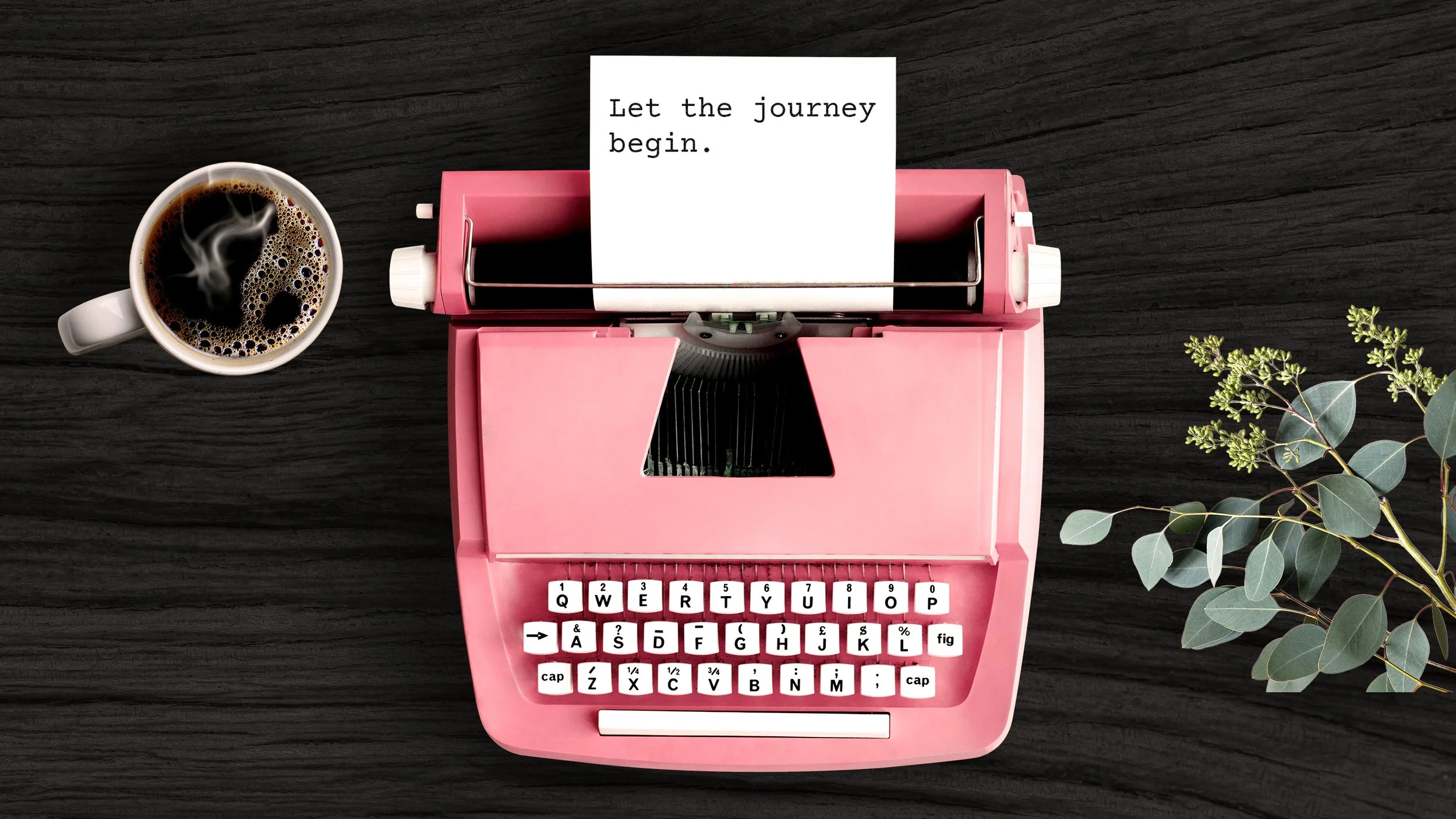
Artwork by Celestial Creations
Writing a first draft can be daunting. You have all these ideas swirling around in your mind, but bringing them to life can be much more challenging than anticipated. And honestly, writing does not come easily to everyone.
Some people find that there’s a disconnect between what’s in their head and what’s on the page because they don’t know how to communicate effectively through written language, and that’s okay. Like most things in life, writing and communication are skills you can work on.
Here is a simple guide to help you complete your first draft for those of you who have no idea where to begin.
Inspiration & Brainstorming
Some of us get random sparks of inspiration, while others need to put a little more thought into what we want to create.
This is the stage where you figure out what inspires you. I find this stage to be important to the overall process because when you eventually face writer’s block, it gives you some ideas for breaking out of it.
You’re creating a solid base as a writer.
Does taking a long walk get your mental gears turning, or does meditation help streamline your thoughts?
If you don’t already know what you want to write about, write down some random ideas that pop into your mind. Read them over and choose the one that gives you a burst of creative energy. It should feel like a world of endless possibilities for how you can bring your vision to life.
Choose Your Perspective
Once you have your idea, think about the perspective you want to write from.
For example, if you want to talk about the time you got your heart broken, how do you want to tackle writing about the pain? Will you write from the lesson or from the pain itself?
If you’re writing from the lesson, the piece tends to become more reflective.
If you’re writing from the pain, it may be beneficial to write from a first-person perspective so that the reader can experience the heartbreak with you in real time as you continue on your journey toward learning your lesson.
There’s no right or wrong way to tell your story — it’s your voice, and you can use it in whatever ways you wish.
Don’t Think, Just Write
Remember how we used to do free-writing exercises in school? This is exactly like that.
You know what you want to write. Now, just word-vomit onto the page. Don’t worry about it making sense — it shouldn’t.
The first draft is where you get the ideas out of your head and onto the page.The second draft is the revision and restructuring process, where you give your ideas a solid structure.
Sit down and write until you feel like you have nothing else to say. As soon as a thought pops into your head, no matter how random it is, write it down.
Don’t overanalyze anything. Just observe your thoughts and bring them into the real world. By the end of this stage, you should have a complete draft—messy and unfiltered, but whole.
Tip: Save the intro as the very last thing you write. It’s much easier to introduce a story when you have a clear idea of how it will flow.
Read Over the Draft
Now that you have your story written down, your mind should feel much clearer. Read over what you wrote and begin to consider how you should start shaping it to convey your story in the way you want for the second draft.
Keep in mind that you have creative freedom and can change anything you have written at any stage. However, I would not recommend removing any ideas you feel won’t fit just yet, as sometimes, later on, they add more to the story than you realize.
Congratulations, you have completed your first draft!
From here, you begin the process of shaping, editing, refining, polishing, and publishing—all unique journeys of their own.
If you need writing support or help with your manuscript, feel free to book a consultation with me so we can work on your piece together.