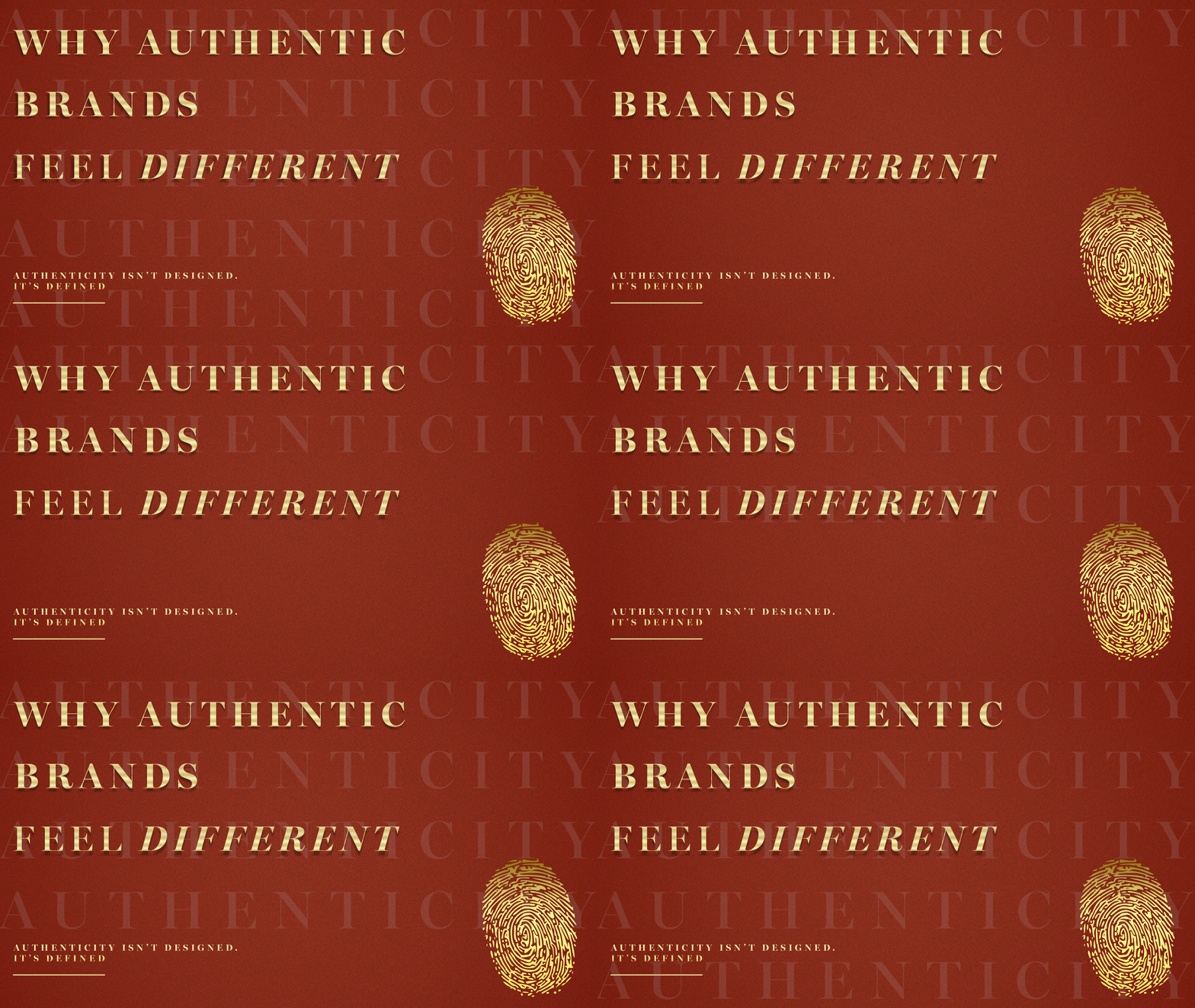
How to Make Your Small Business Feel Premium
Premium brands are built through intentional decisions, not bigger budgets.

Many small business owners assume that creating a premium brand requires a large budget.
But some of today's most recognizable brands started as small businesses with a clear vision and a thoughtful strategy.
What makes a business feel premium isn't the size of the company.
It's the consistency of the experience.
Premium brands communicate intention through every decision they make, from their positioning and messaging to their typography, packaging, and customer experience.
Here's how you can do the same.
1. Position Your Brand Before You Design It
A premium brand begins with strategy, not aesthetics.
Before choosing colors or designing a logo, ask yourself:
Who are you serving?
What problem are you solving?
What do you want to be known for?
Why should someone choose you over your competitors?
Take Oatly as an example.
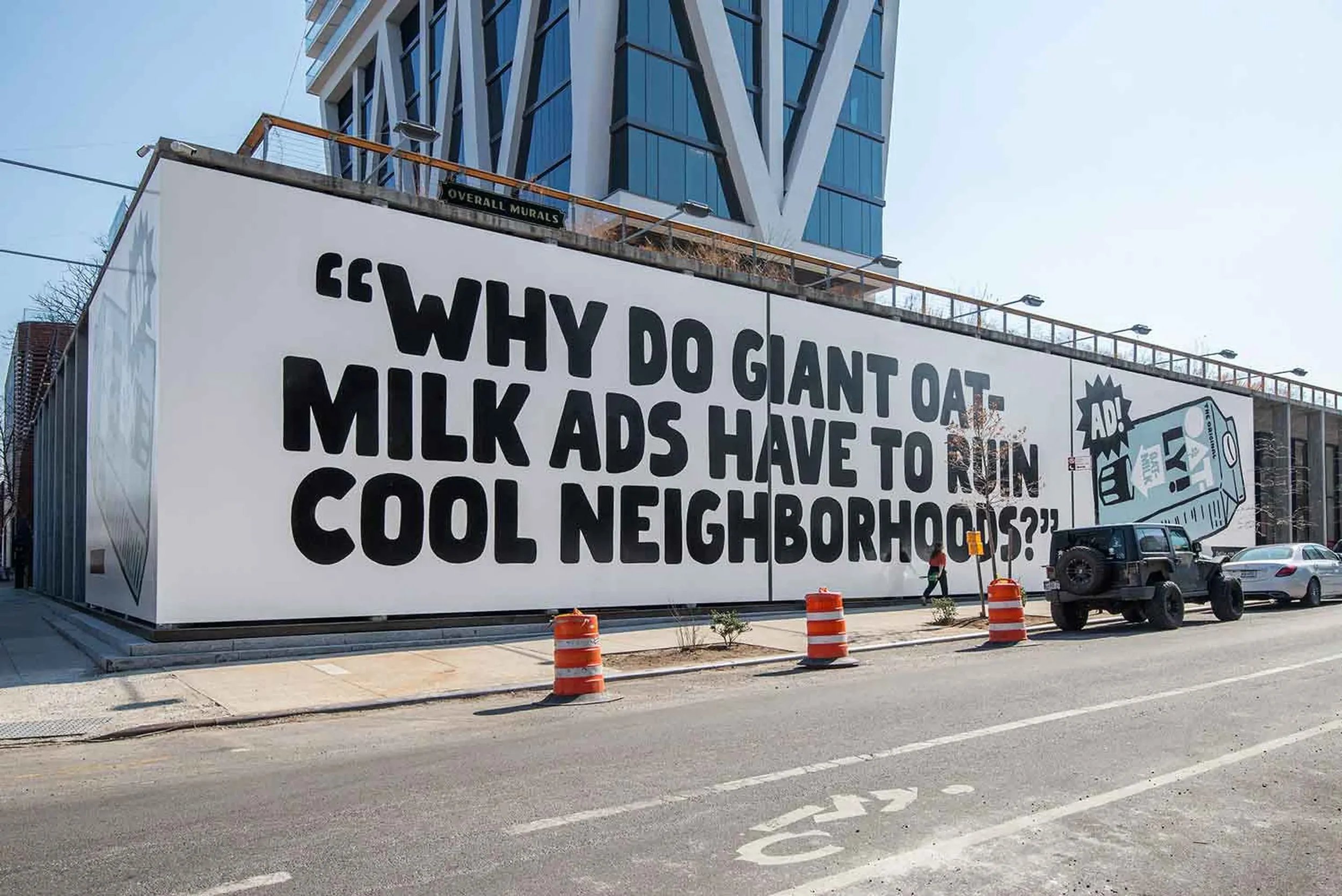
Oatly doesn't simply market itself as another oat milk company. Its playful copywriting, bold personality, and unconventional marketing position it as a challenger to the dairy industry.
Every design decision—from the packaging to the messaging—supports that positioning.
The design didn't create the brand.
The strategy did.
2. Build a Cohesive Visual Identity
Your logo is only one piece of your brand.
Customers also experience your website, social media, packaging, presentations, emails, invoices, and product photography.
Each touchpoint should reinforce the same story.
Aesop is a great example of this.
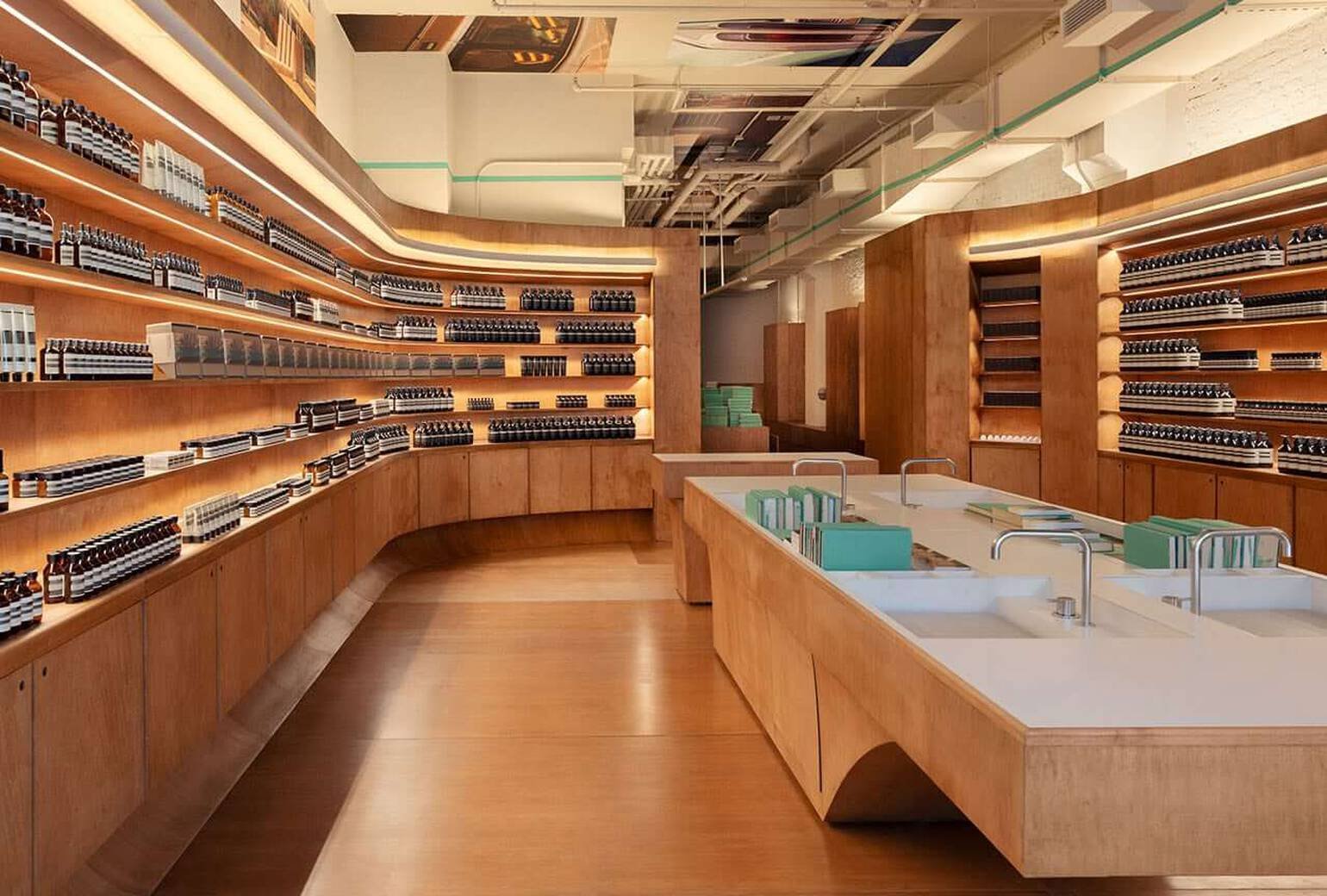
Its amber bottles, understated labels, editorial photography, and thoughtfully designed retail stores all communicate sophistication and restraint. Whether you're browsing its website or walking into one of its stores, the experience feels unmistakably Aesop.
That's the power of consistency.
3. Design With Restraint
Many businesses try to communicate value by adding more.
But premium brands often communicate confidence by doing less.
Whitespace creates focus.
Hierarchy improves readability.
Every element has a strategic purpose.
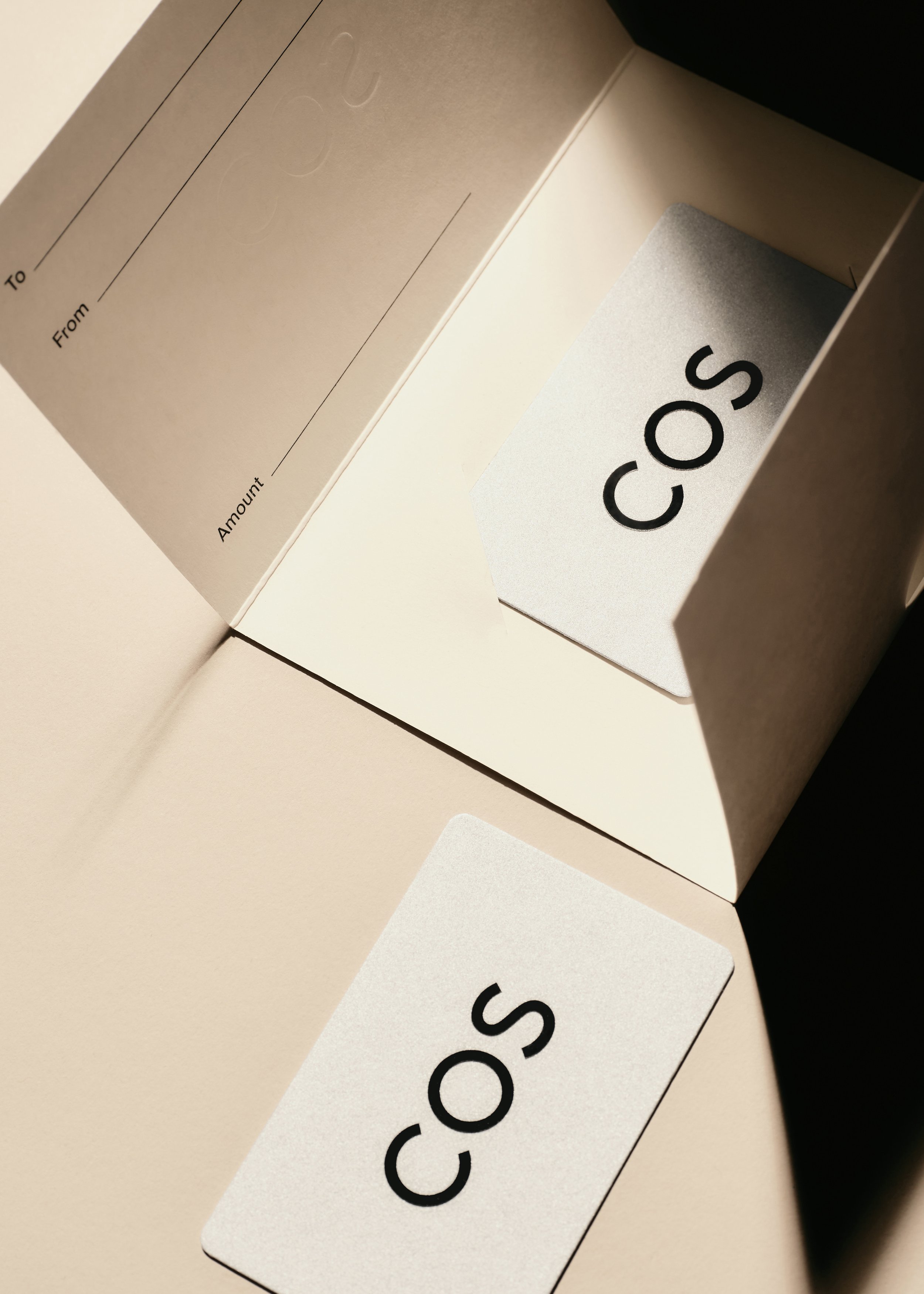
COS embraces this philosophy beautifully. Its clean layouts, restrained typography, and minimalist photography allow the products to speak for themselves. Nothing feels cluttered because every design decision is intentional.
Premium brands don't compete for attention.
They guide it.
4. Choose Typography That Supports Your Positioning
Typography is one of the strongest communicators of personality.
It tells customers how to feel before they read a single word.
A refined serif can communicate heritage and craftsmanship.
A clean sans serif may communicate innovation and simplicity.
The goal isn't to choose a "luxury font."
It's to choose typography that reflects your brand's character.
A premium outdoor brand shouldn't look like a luxury fashion house.
A boutique law firm shouldn't sound like a playful beverage company.
The strongest brands use typography to reinforce who they already are.
5. Presentation Shapes Perception
Believe it or not, people actually do judge a book by its cover.
Customers begin evaluating your product before they ever use it.
Photography.
Packaging.
Mockups.
The way your product is displayed.
All of these influence perceived value.
Apple has mastered this principle.
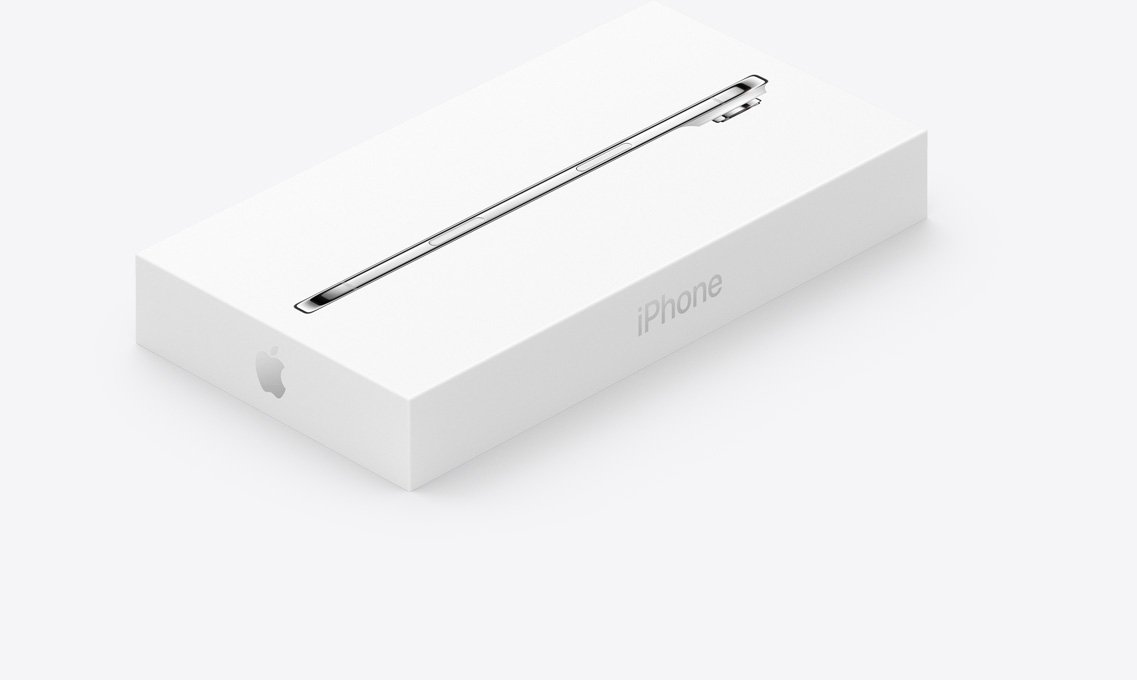
Long before customers turn on an iPhone or MacBook, they've already formed an impression through the packaging. The materials, the precision, the opening experience, and the presentation all communicate quality before the product is even touched.
Presentation prepares people to appreciate the quality of a product.
6. Tell a Story Bigger Than the Product
People don't remember products.
They remember impact.
One of the reasons Patagonia has built such a loyal following is because it consistently communicates a purpose beyond selling outdoor clothing. Its commitment to environmental responsibility is reflected in its messaging, repair programs, campaigns, and business decisions.

Customers aren't simply purchasing a jacket.
They're buying into a philosophy.
Your story doesn't need to change the world.
It simply needs to explain why your business exists.
7. Create a Premium Experience at Every Touchpoint
Premium branding extends beyond visuals.
Every interaction becomes part of the customer experience.
Your inquiry form.
Your onboarding process.
Your packaging.
Your thank-you emails.
Your customer support.
Luxury isn't built through one impressive moment.
It's built through dozens of thoughtful ones.
Think about Fly By Jing.
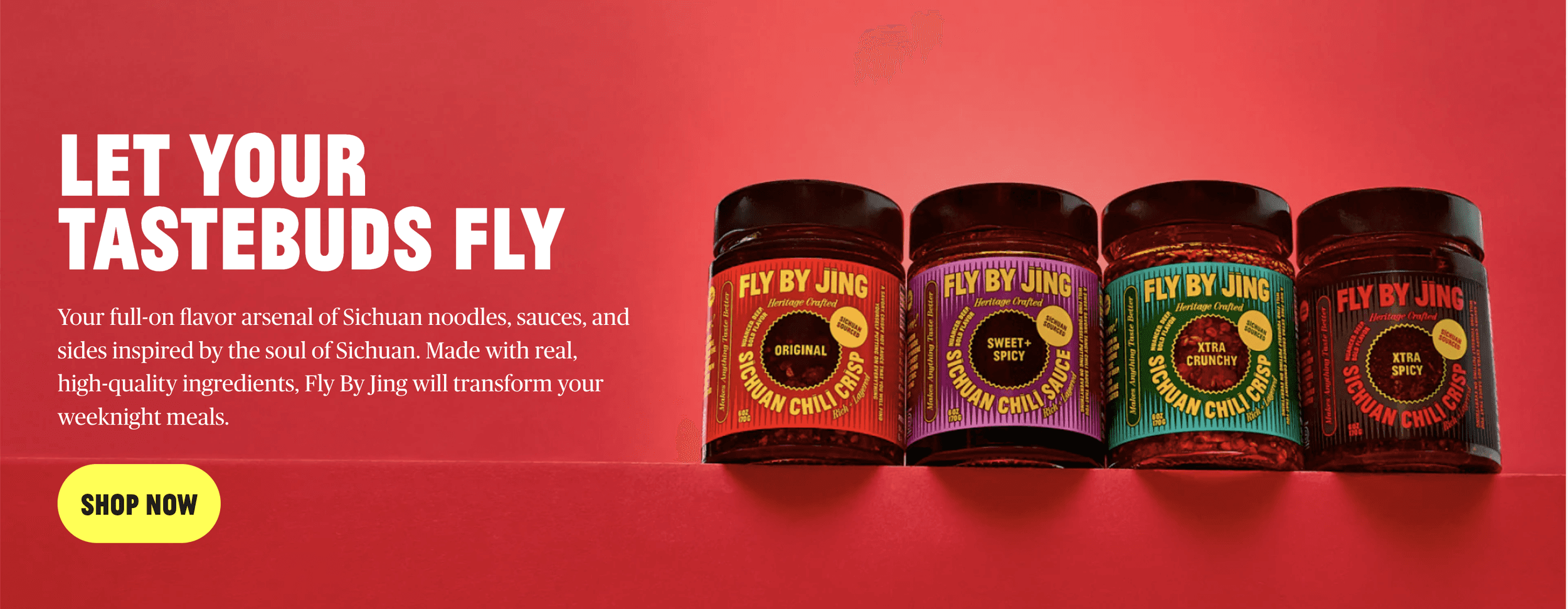
The company transformed a simple pantry staple—chili crisp—into a premium culinary experience. Through distinctive packaging, bold visual identity, founder storytelling, and a cohesive digital presence, the brand elevated an everyday product into something people proudly display on their kitchen shelves.
The product matters. But the experience surrounding it creates perceived value.
The Formula
Strategy defines your positioning.
Your story creates emotional connection.
Design communicates your identity.
Consistency builds trust.
When these elements work together, your business begins to feel intentional, and intention is what people perceive as premium.
At Celestial Creations, we believe branding is the process of transforming a vision into an intentional experience.
Premium brands are not created by simply looking valuable.
They are created by understanding their value deeply enough to communicate it.
When every element tells the same story, people don't just notice your brand.
They trust it.
When you're ready to elevate your brand, book a free consultation and let's bring your vision to life.